
About me
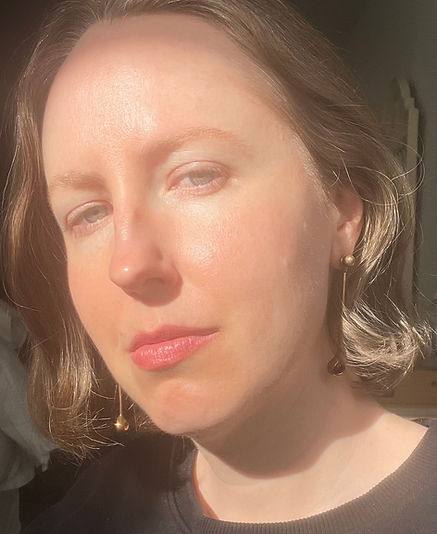
I’m Mira, a holistic cook and fiction writer.
I started cooking early on. The food I made (and still make) for my mom and I to eat together – the kind of food that supports a person through the rhythms of everyday life and is very interpersonal – is still the kind of food I’m most interested in. Horse Parsley Provisions grew partially out of wanting to make more of this food and connect with those who would find it supportive.
I have studied herbalism formally (and herbs in a culinary context) on and off in different contexts over the past two decades, and hold a certificate in the Foundations of Western Herbal Medicine.
My first professional cooking work was in the salad station of a restaurant that used primarily Biodynamic produce, and I have worked on a few Biodynamic farms. The vibrancy of these vegetables and herbs and the beauty and mystery of the Biodynamic system made a lasting impression.
In the past 3 years I have studied a modality of energy work that is founded on the idea that anyone can learn to work with energy, and it primarily teaches energetic skills for navigating everyday life. This study has given me innumerable skills I use as a holistic cook, among them tools for sensing the energetic properties of ingredients, a better understanding of my most authentic ways of working, and a deeper ability to attune to others' needs and my capacity to help.
I also hold a B.A. in Religion from Barnard College and an M.F.A. in fiction writing from the Iowa Writers’ Workshop. Interests related to these degrees include studying narratives about mystical experience and writing short fiction.
Recently I have been studying nutritional principles from ancestral diets and whole animal butchery. Some of my other special interests right now are whole grains, uses of herbs in medieval kitchens, and nurturing my sense of belonging on and to the earth within the city.
my guiding principles
aim to attune to the place I am in, the needs of this moment, and the people in front of me
seek out ingredients that have clear vitality I can detect with my senses – color, scent, beauty, and subtlety
respect the work of the people who grow and produce this food
honor individual knowings about how to eat – different ways of eating are right for different people at different times, for many reasons
remember the potential of food to connect us to the whole of life and widen our sphere of possibility
About horse parsley
Horse parsley is a folk name for the plant with the botanical name smyrnium olusatrum, also known as alexanders. It has a long recorded history of both culinary and medicinal uses – popular in ancient Rome, cultivated in monastery kitchen gardens in the Middle Ages, and commonly eaten as an herbaceous green until the 17th century. It is one of the first wild greens that appears in spring in the parts of the world where it still grows (near water, mostly in Britain and the Mediterranean).
I align my business with horse parsley out of reverence for wild foods and to connect to the culinary traditions of my ancestors.